Cameron Beck · 10 October 2026
Investigating Rotation-Based Protocols for Sustaining Digital Asset Performance Over Time
Defining Rotation-Based Protocols in Digital Asset Systems
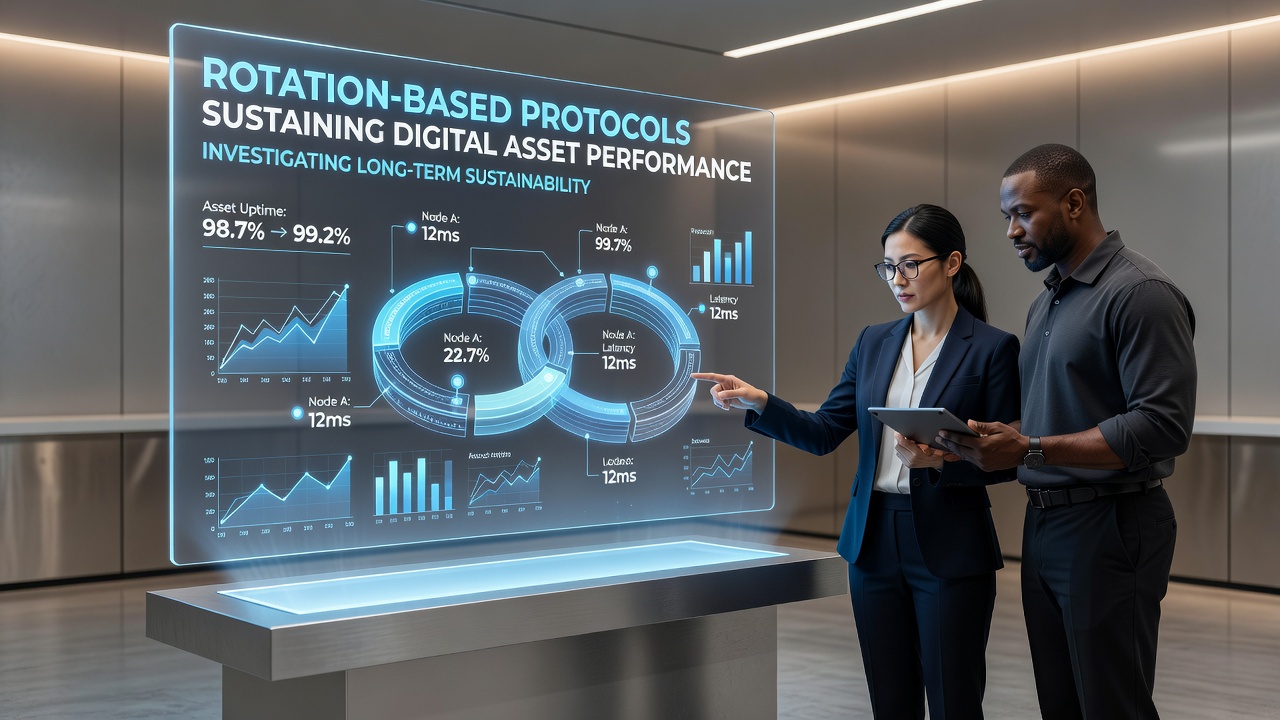
Rotation-based protocols operate by cycling assets, keys, or network nodes at regular intervals to maintain consistent output levels across distributed environments, and data from multiple infrastructure reports shows these methods address degradation patterns that appear when static configurations remain in place for extended periods. Researchers at institutions focused on distributed computing have documented how periodic shifts prevent bottlenecks from forming in systems that handle cryptocurrencies, tokenized securities, and enterprise data repositories. The approach draws from established practices in cryptography where key rotation limits exposure windows, yet extends the principle to performance metrics such as latency, throughput, and uptime for digital holdings.
Technical Mechanisms Behind Asset Rotation
Implementation typically begins with monitoring layers that track performance indicators in real time, after which algorithms trigger rotation events when thresholds are crossed. Nodes or asset segments move through active, standby, and cooling phases, allowing each component to operate under varied loads while the overall system sustains target output. According to guidelines published by the National Institute of Standards and Technology, structured rotation schedules reduce cumulative wear on cryptographic modules that secure digital asset transactions. Engineers integrate these schedules with consensus mechanisms in blockchain networks so validators cycle without interrupting block production, and the same logic applies to storage sharding where data fragments relocate to fresher hardware clusters.
One study released by a Canadian research consortium examined rotation intervals across 12 enterprise platforms and recorded average improvements in sustained transaction rates when cycles occurred every 72 hours. The findings indicated that shorter cycles suited high-volatility assets while longer intervals worked better for archival digital records. Observers note that the protocols require precise synchronization to avoid temporary desyncs during handoffs, and many deployments now embed automated verification steps that confirm integrity before completing each rotation.
Applications Across Industry Sectors
Financial institutions have adopted rotation techniques to keep tokenized bond portfolios responsive to market feeds, rotating exposure across multiple custody providers so single-point latency does not accumulate. In supply-chain platforms, digital asset tokens representing physical goods shift between verification nodes to maintain accurate provenance tracking even as transaction volumes spike. Academic papers from Australian universities have analyzed rotation in energy-grid digital twins where performance data must remain current across geographically dispersed sensors.
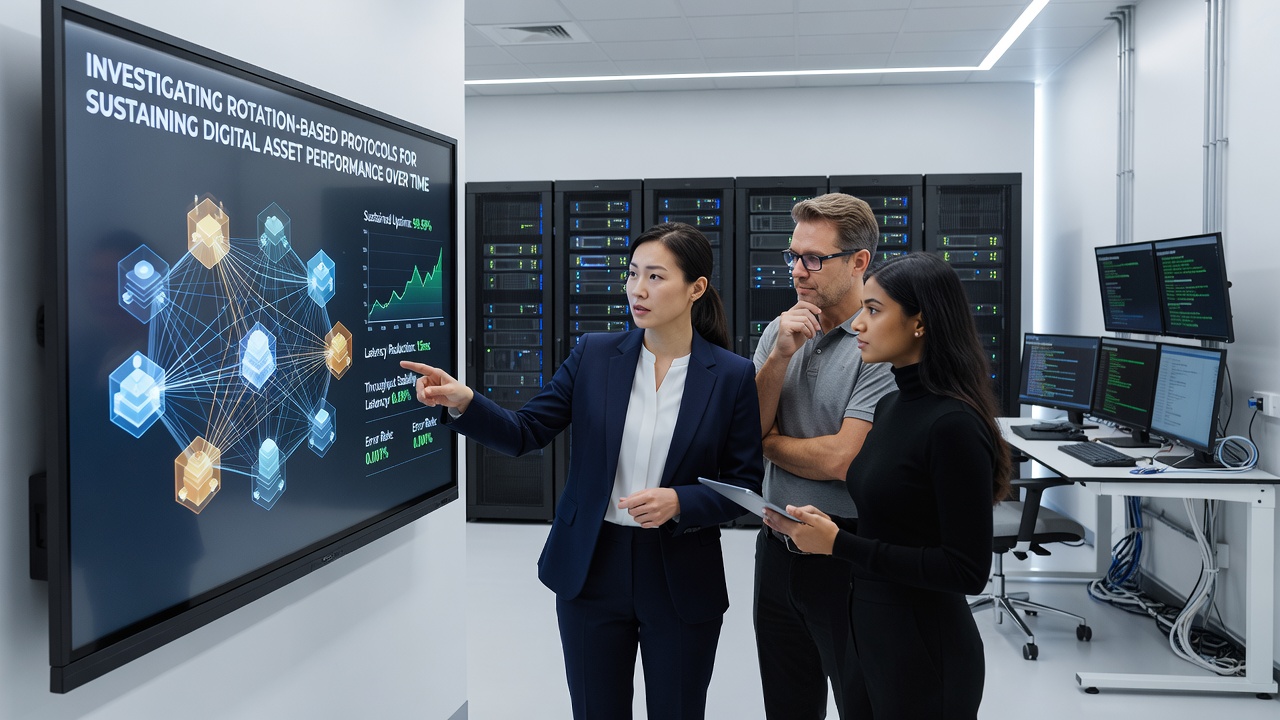
European regulatory frameworks have begun referencing rotation standards in technical annexes that accompany digital asset custody rules, and these references point operators toward documented rotation cadences rather than fixed assignments. In October 2026 several multinational working groups plan to release updated interoperability profiles that specify how rotation events should be logged for audit trails across jurisdictions. Those profiles incorporate lessons from earlier pilot programs that demonstrated measurable reductions in downtime when rotation logs feed directly into compliance dashboards.
Observed Outcomes and Measurement Approaches
Performance tracking relies on composite indices that combine response time, error rates, and resource utilization before and after each rotation cycle. Industry associations have compiled datasets showing that systems employing rotation protocols maintain tighter variance bands around mean performance figures compared with static deployments. A report from a Singapore-based research center compared 36 months of operational data and noted that rotation intervals aligned with asset volatility patterns produced the most stable long-term results. Analysts use these datasets to calibrate predictive models that forecast when the next rotation should occur without manual intervention.
Security researchers have also examined whether rotation introduces new attack surfaces, and their evaluations indicate that properly authenticated handoff procedures keep risk profiles comparable to non-rotating baselines. The process involves timestamped attestations exchanged between participating nodes, and open-source libraries now provide reference implementations that organizations can audit before deployment.
Conclusion
Rotation-based protocols continue to evolve as digital asset ecosystems expand in scale and regulatory complexity. Evidence gathered from standards bodies, academic consortia, and operational deployments demonstrates that systematic cycling of assets and nodes supports sustained performance across varied workloads. Continued refinement of measurement techniques and interoperability specifications will shape how these protocols integrate into future infrastructure layers.